Introduction to Australian Native Bees
Short overview of keeping Australian Native Bees
1/1/20261 min read
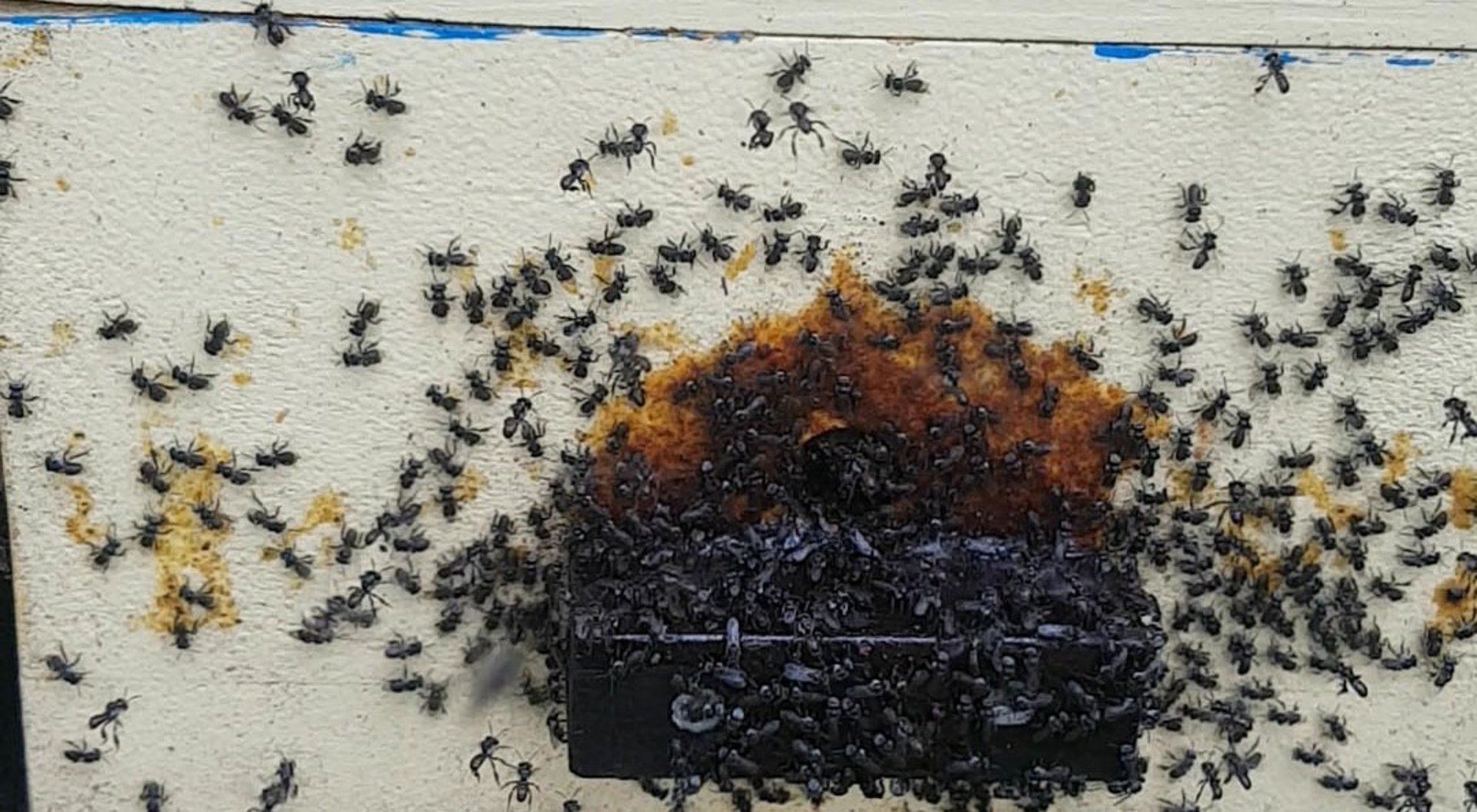
Native bees are crucial pollinators that play an essential role in maintaining healthy ecosystems and supporting biodiversity. Unlike their honeybee counterparts, native bees thrive in diverse environments and can help in maximizing hive growth. In this blog post, we'll dive into practical tips for bee hive placement and choosing the right plants to foster a friendly habitat for these amazing insects.
Choosing the Right Placement for Your Bee Hive
Positioning your native bee hive is vital for encouraging their growth and activity. Here are some key factors to consider:
Sunlight: Native bees prefer bright, sunny locations that receive ample sunlight throughout the day. Aim for a spot that gets at least three to six hours of direct sunlight to promote bee activity.
Protection from Wind: A sheltered location can protect your hives from harsh winds. Positioning hives near fences or shrubs can offer natural windbreaks, enhancing hive comfort and safety.
Accessibility: Ensure your Native bee hives are easily accessible for maintenance. You’ll want to keep an eye on their activity and health, so place them in areas that allow easy observation.
Planting for Native Bees
The right plants are crucial for attracting native bees to your garden and ensuring they thrive. Choose a variety of flowering plants that bloom at different times throughout the season, providing a continuous food source.
Native Wildflowers: Incorporate wildflower species, such as purple coneflower and black-eyed Susan, which are known to attract native bees.
Nectar-Rich Plants: Opt for plants that produce abundant nectar. This includes bee balm, lavender, and sage, which are excellent for encouraging a healthy bee population.
Minimize Chemical Use: Be mindful of pesticides and chemicals that can harm bees. choose organic gardening methods and promote a healthy environment.
Creating a Bee-Friendly Habitat
Beyond placement and planting, creating a supportive environment for native bee hives is essential. Here's how:
Water Sources: Provide shallow water dishes or small puddles where bees can hydrate safely.
Diversity in Flora: Include diverse plant species to cater to various native bee species. The more variety, the better for their overall health.
Maintain Soil Health: Healthy soil leads to robust plants, which in turn will support native bee hive growth. Composting and mulching can improve soil fertility and structure.
By focusing on strategic hive placement, selecting beneficial plants, and fostering a supportive environment, you can effectively maximize native bee hive growth in your area. Happy beekeeping!